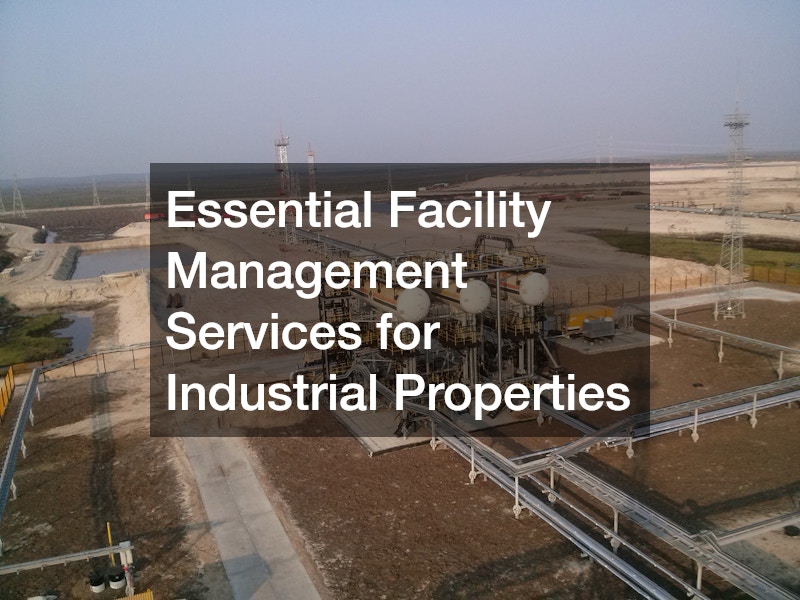
Industrial properties require a different approach to facility management than traditional office buildings or retail spaces. Warehouses, manufacturing plants, distribution centers, transportation facilities, and other industrial sites depend on specialized equipment, durable surfaces, reliable utilities, and safe traffic patterns to keep operations moving. Even a small maintenance issue can create delays, increase operating costs, or create safety concerns.
Effective facility management brings together routine maintenance, equipment support, site improvements, waste management, and emergency services. By coordinating these needs, property owners and facility managers can create safer working environments while protecting valuable infrastructure and reducing avoidable disruptions.
From material-handling equipment and electrical systems to pavement markings and climate control, several services deserve consistent attention. Understanding these essential areas can help facility managers develop maintenance programs that support both daily operations and long-term property performance.
Maintaining Material-Handling Equipment
Industrial facilities frequently depend on forklifts to move inventory, raw materials, equipment, and finished products. Because these vehicles often operate throughout the day, facilities need dependable access to replacement equipment and maintenance resources.
Working with forklift dealers can help businesses identify equipment appropriate for their operational requirements. Depending on the facility, this may include electric forklifts, internal-combustion models, reach trucks, pallet equipment, or other material-handling vehicles. Purchasing used equipment can also be an option for organizations seeking to expand their fleet while managing capital expenditures.
Facility managers should evaluate equipment based on factors such as lifting capacity, operating environment, aisle dimensions, fuel or charging requirements, and expected usage. Preventive inspections should also be incorporated into the maintenance schedule. Identifying worn tires, hydraulic problems, battery issues, damaged forks, and other concerns early can reduce the likelihood of unexpected downtime.
A well-maintained material-handling fleet also contributes to workplace safety. Operators should receive appropriate training, while equipment should be inspected and serviced according to manufacturer recommendations and applicable workplace requirements.
Managing Wastewater Infrastructure
Industrial properties often have complex plumbing and wastewater needs. Manufacturing processes, commercial kitchens, maintenance areas, and other operations can generate wastewater that requires specialized infrastructure.
A properly maintained lift station can be particularly important for facilities located where wastewater cannot flow naturally through gravity-based sewer systems. Lift stations use pumps to move wastewater from lower elevations to higher points in a sewer or treatment system.
Routine inspections can help facility managers identify pump problems, electrical faults, float failures, blockages, or other issues before they result in an overflow or operational disruption. Preventive maintenance should include monitoring pumps, checking controls, inspecting tanks, and addressing unusual sounds, odors, or changes in system performance.
Because wastewater failures can affect sanitation and business operations, facility managers should know the location and condition of relevant infrastructure. Emergency response procedures should also be established so staff know who to contact if a pump or wastewater system fails.
Protecting High-Traffic Concrete Floors
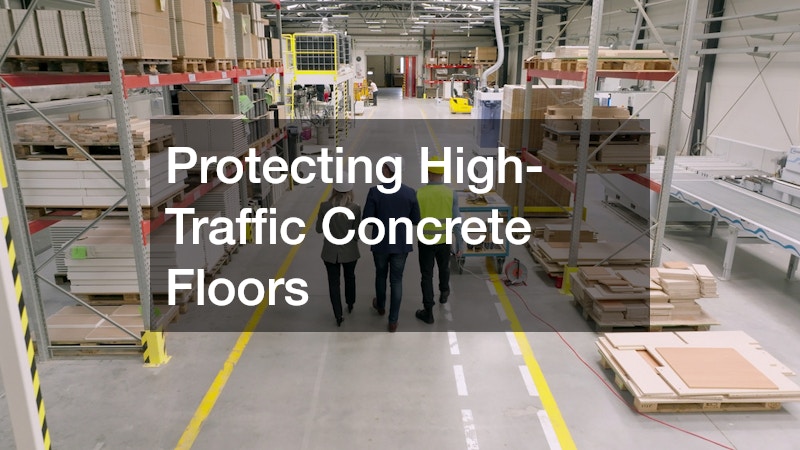
Industrial floors experience significant wear from forklifts, pallet jacks, carts, heavy equipment, foot traffic, and transported materials. Cracks, surface deterioration, and inadequate coatings can make maintenance more difficult and potentially affect workplace safety.
Selecting the right epoxy for heavy forklift traffic can help facilities improve the durability and cleanability of high-use concrete surfaces. Industrial floor coatings can provide a smoother surface that is easier to maintain while offering resistance to abrasion and other forms of mechanical wear.
Before installing a coating, facility managers should evaluate the condition of the existing concrete. Moisture, cracks, contamination, previous coatings, and surface preparation can all affect the performance of a flooring system. The expected traffic level and type of equipment should also be considered when selecting a coating system.
Routine cleaning and inspections remain important after installation. Even durable flooring can deteriorate when spills, impacts, or maintenance issues are ignored. Promptly addressing damaged areas can help prevent minor surface problems from becoming more extensive repairs.
Supporting Transportation and Mobile Power Needs
Some industrial facilities operate vehicles or equipment that require auxiliary power systems. Transportation operations, sleeper trucks, specialty vehicles, and other equipment may rely on auxiliary power to support electrical needs without continuously running the primary engine.
Facilities that maintain transportation fleets may benefit from access to apu units and related installation, maintenance, and replacement services. Auxiliary power systems can support functions such as climate control and electrical equipment when the primary engine is not running, depending on the system and vehicle configuration.
Facility managers overseeing vehicle operations should track service schedules and monitor the condition of auxiliary equipment. Battery performance, electrical connections, belts, cooling systems, and other components can require periodic attention.
Fleet maintenance should also be coordinated with facility operations. If vehicles are routinely parked, serviced, or loaded on-site, designated maintenance areas can help keep these activities organized while reducing conflicts with pedestrian and material-handling traffic.
Planning for Lifting and Heavy Equipment Work
Industrial properties regularly require specialized lifting and rigging services. Machinery may need to be installed, relocated, repaired, or removed, and some equipment cannot be moved safely using conventional material-handling vehicles.
Professional crane services can provide support for projects involving heavy machinery, structural components, industrial equipment, and other large loads. Before any lifting operation takes place, facility managers should coordinate with qualified personnel to evaluate site conditions, load requirements, access points, overhead obstructions, and potential hazards.
Planning is especially important when lifting equipment near active production areas or occupied portions of a facility. Work zones may need to be temporarily restricted, and communication with employees and contractors should be established before operations begin.
Facility managers should also consider ground conditions, clearance requirements, weather, and traffic control when planning a crane operation. A detailed plan can reduce disruptions while helping workers and contractors understand their responsibilities.
Keeping Vehicle Areas Organized
Parking lots, loading areas, drive lanes, pedestrian paths, and warehouse approaches all require clear visual organization. Pavement markings help communicate where vehicles should travel, where pedestrians should walk, and where equipment or vehicles may be parked.
Working with local pavement marking companies can help industrial facilities maintain clearly defined traffic patterns. Depending on the property, markings may include parking spaces, loading zones, fire lanes, directional arrows, pedestrian crossings, equipment staging areas, and restricted-access zones.
Over time, traffic, weather, chemical exposure, and general wear can cause markings to fade. Faded lines can make traffic patterns harder to understand and may contribute to confusion in busy areas.
Facility managers should periodically inspect pavement markings throughout the property. Repainting should be considered when lines become difficult to see or when operational changes require new traffic patterns. Markings should also be coordinated with signage and other safety measures to create a consistent system across the site.
Coordinating Waste Removal
Industrial operations can generate significant amounts of waste, including packaging materials, construction debris, discarded materials, and general commercial waste. Without an organized removal system, waste can interfere with operations and consume valuable space.
Dumpster rental services give facilities access to appropriately sized containers for recurring or project-based waste removal. The correct container size and collection schedule will depend on the type and volume of material being generated.
Facility managers should establish designated waste collection areas that do not interfere with pedestrian paths, loading operations, emergency access, or equipment traffic. Containers should also be maintained in a way that minimizes overflow and keeps surrounding areas orderly.
Special handling may be necessary for certain industrial materials. Facility managers should understand applicable disposal requirements and ensure employees and contractors know which materials can be placed in standard waste containers and which require specialized handling.
Preparing for Electrical and Power Interruptions
Reliable electricity is critical for most industrial operations. Production machinery, lighting, security systems, refrigeration equipment, communications technology, computer systems, and other infrastructure can be affected by an electrical outage.
A generator can provide backup power for selected equipment and critical building systems during an interruption. Facility managers should determine which systems require emergency power and ensure that backup equipment is appropriately sized for those loads.
Generators require regular maintenance even when they are rarely used. Testing, fuel management, battery inspections, fluid checks, and other maintenance activities can help ensure that equipment is ready when needed.
Facilities should also document startup procedures and determine who is responsible for activating or monitoring backup systems. Emergency power planning should be incorporated into the property’s broader business continuity strategy.
Protecting Specialized Vehicles and Equipment
Industrial and commercial vehicles can be exposed to road debris, environmental contaminants, chemicals, weather, and frequent cleaning. Over time, these conditions may affect the appearance and condition of painted surfaces.
A ceramic coating service may be considered for certain vehicles and equipment where surface protection and easier cleaning are priorities. Ceramic coatings are designed to create a protective layer over compatible surfaces, although their suitability depends on the vehicle, coating system, preparation process, and operating conditions.
Facility managers overseeing company vehicles should consider how equipment is stored and maintained in addition to selecting protective treatments. Covered parking, regular washing, appropriate cleaning products, and prompt removal of contaminants can all contribute to better long-term surface care.
When coatings are used, managers should maintain records of installation and follow the manufacturer’s care recommendations. This can help preserve the intended performance of the coating and avoid maintenance practices that could damage the treated surface.
Keeping Indoor Temperatures Under Control
Temperature control is another major consideration for industrial properties. Employees may spend long hours inside warehouses, production facilities, workshops, and other large spaces where inadequate climate control can affect comfort and productivity.
An ac repair service can help address cooling problems when commercial HVAC equipment begins operating inefficiently or stops working properly. Warning signs may include inconsistent temperatures, unusual noises, weak airflow, water leaks, or unexpected increases in energy consumption.
Preventive HVAC maintenance should be part of a broader facility schedule. Filters, belts, electrical components, coils, fans, controls, and other equipment may require regular inspection depending on the system.
Industrial environments can place additional demands on HVAC equipment because of dust, heat-producing machinery, large doors, and expansive interior spaces. Facility managers should consider these conditions when developing maintenance schedules.
Building a Preventive Maintenance Strategy
The individual services supporting an industrial property become more effective when they are managed as part of a coordinated preventive maintenance strategy. Rather than waiting for equipment or infrastructure to fail, facility managers can establish recurring inspections and service schedules based on usage, manufacturer guidance, environmental conditions, and operational requirements.
A preventive program might include weekly inspections, monthly equipment checks, quarterly service appointments, and annual evaluations. The specific schedule should be adapted to the property.
Digital maintenance records can make this process easier. Facility managers can document completed work, identify recurring problems, track equipment age, and plan upcoming expenses. These records can also help managers identify patterns. For example, repeated repairs to the same piece of equipment may indicate that replacement is more economical than continued maintenance.
Preventive maintenance should extend beyond mechanical equipment. Parking areas, floor surfaces, waste systems, drainage infrastructure, HVAC equipment, backup power, and safety markings all deserve regular attention.
Improving Safety Across the Property

Safety should remain a central consideration when managing industrial facilities. Heavy machinery, moving vehicles, elevated loads, electrical systems, wastewater infrastructure, and high-traffic areas can create different types of workplace hazards.
Facility managers can reduce risks by keeping equipment properly maintained and ensuring that employees understand site procedures. Clearly marked pedestrian areas can separate people from vehicle traffic, while organized storage and waste collection can reduce clutter.
Emergency planning is equally important. Facilities should establish procedures for power outages, equipment failures, wastewater problems, severe weather, fires, and other disruptions. Contact information for contractors and emergency service providers should be readily available to responsible personnel.
Regular safety reviews can reveal areas that require improvement. Managers should consider not only whether a system works but also whether it continues to meet the changing needs of the facility.
Managing Costs Through Better Planning
Facility maintenance represents an ongoing operating expense, but proactive management can help control long-term costs. Emergency repairs often require immediate attention and may disrupt production, while scheduled maintenance gives managers more opportunities to plan labor, materials, and downtime.
Budget planning should account for both routine services and major capital needs. Equipment such as forklifts, generators, HVAC systems, pumps, and industrial machinery eventually reaches the end of its useful life. Tracking age and repair history allows managers to anticipate replacement needs rather than reacting to unexpected failures.
Facility managers can also prioritize projects according to operational importance. A failing system that could stop production may deserve attention before a cosmetic improvement. At the same time, seemingly minor maintenance issues should not be ignored when they can develop into larger safety or infrastructure problems.
Creating a More Reliable Industrial Facility
Industrial facility management requires coordination across many different systems. Material-handling equipment must remain functional, wastewater infrastructure must operate reliably, floors and traffic areas must withstand daily use, and critical utilities must be prepared for unexpected problems.
Services involving forklifts, wastewater systems, industrial flooring, auxiliary power, cranes, pavement markings, waste containers, backup generators, vehicle coatings, and HVAC equipment can all contribute to a more organized and dependable property.
The most effective approach is to view these services as interconnected elements of the overall facility. Regular inspections, preventive maintenance, clear documentation, qualified contractors, and thoughtful budgeting can help property owners protect their investments while supporting daily operations.
By developing a comprehensive maintenance strategy, industrial facilities can reduce avoidable disruptions, improve workplace organization, extend the useful life of equipment, and create an environment better prepared for the demands of modern operations.