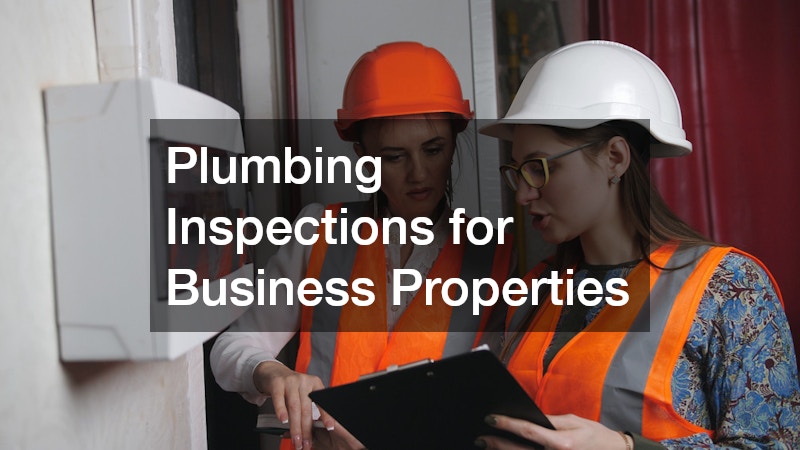
For business owners, plumbing is often something that only gets attention when a problem arises. However, waiting for visible issues can lead to costly disruptions. Routine plumbing inspections help identify small concerns before they escalate into operational downtime, property damage, or unexpected repair expenses.
In commercial environments, plumbing systems are used more frequently and under heavier demand than in residential settings. Restaurants, office buildings, retail spaces, and multi-unit properties all rely on consistent water flow, drainage, and sanitation systems.
A structured inspection schedule helps ensure these systems continue to function efficiently.
Reducing Operational Disruptions
One of the main advantages of regular inspections is minimizing interruptions to daily business activity. A leaking pipe, clogged drain, or failing fixture can quickly affect customer experience and employee productivity. In some cases, it may even require temporary closure for repairs.
Professional plumbing inspections help detect early warning signs such as corrosion, pressure inconsistencies, slow drains, or hidden leaks. Addressing these issues early allows repairs to be scheduled at convenient times, reducing the likelihood of emergency shutdowns.
For businesses that rely on customer-facing spaces, maintaining a fully functional plumbing system supports both reputation and revenue stability.
Protecting Property and Equipment
Undetected plumbing issues can cause significant structural damage over time. Slow leaks behind walls or under flooring can weaken building materials and lead to mold growth. These problems are often expensive to repair once they become visible.
Routine plumbing inspections provide a preventative layer of protection. Technicians assess pipes, fixtures, water heaters, and drainage systems to ensure everything is operating correctly. This helps protect both the building structure and any equipment that depends on water systems.
In commercial kitchens or industrial facilities, plumbing issues can also affect specialized equipment. Regular checks help ensure consistent performance and reduce wear on connected systems.
Supporting Health and Safety Standards
Businesses are often required to meet specific health and safety regulations, especially in industries such as food service, healthcare, and hospitality. Plumbing systems play a major role in maintaining these standards.
Inspections help ensure proper sanitation, safe water delivery, and effective waste removal. They also help identify potential contamination risks such as backflow issues or cross-connections.
By scheduling regular plumbing inspections, businesses demonstrate compliance with regulations and reduce the risk of violations or penalties. More importantly, they help maintain a safe environment for employees and customers.
Improving Long-Term Cost Efficiency
Unexpected plumbing repairs can be expensive, especially when they involve emergency service calls or structural repairs. Preventative inspections are generally more cost-effective because they focus on early detection rather than reactive fixes.
Over time, routine inspections can extend the lifespan of plumbing systems. Identifying wear and tear early allows for targeted repairs instead of full system replacements. This approach helps businesses manage maintenance budgets more effectively.
Efficient plumbing systems also reduce water waste, which can lead to noticeable savings on utility bills. Even small inefficiencies, such as dripping faucets or running toilets, can add up over time in high-use environments.
Key Areas Covered in Inspections
A professional inspection typically includes a comprehensive review of the entire plumbing system. This may involve checking visible pipes for leaks, testing water pressure, inspecting drainage flow, and evaluating water heaters and backflow prevention devices.
Technicians may also use specialized tools such as camera inspections to examine hidden sections of piping. This allows for a more detailed assessment without invasive work.
Each inspection is designed to identify both current issues and potential future concerns, giving business owners a clear understanding of system condition.
Creating a Preventative Maintenance Plan
Many businesses benefit from incorporating plumbing inspections into a broader maintenance strategy. Scheduling regular evaluations throughout the year helps ensure consistent system performance and reduces the likelihood of unexpected failures.
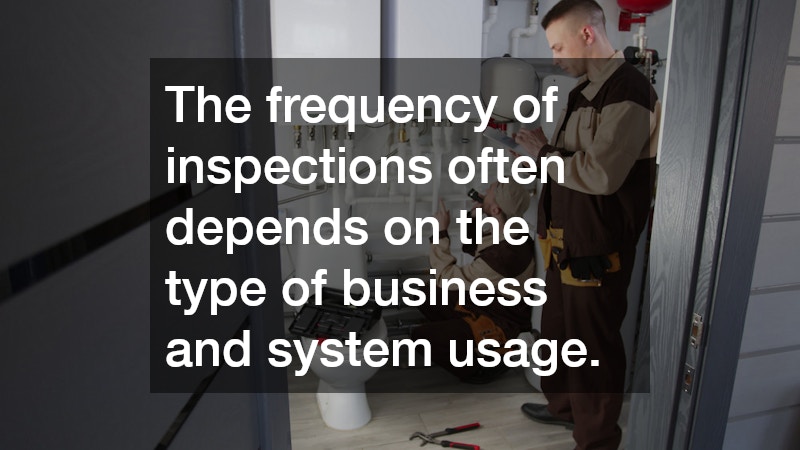
The frequency of inspections often depends on the type of business and system usage. High-demand environments may require more frequent checks, while smaller offices may need less frequent evaluations.
Working with a qualified plumbing professional helps businesses establish a schedule that aligns with operational needs and compliance requirements.
Why Regular System Checks Matter
Plumbing systems are a critical part of any commercial property, supporting daily operations, safety, and customer satisfaction. Regular plumbing inspections provide a proactive way to maintain system reliability and prevent costly disruptions.
By investing in routine evaluations, businesses can protect their property, improve efficiency, and ensure long-term operational stability.