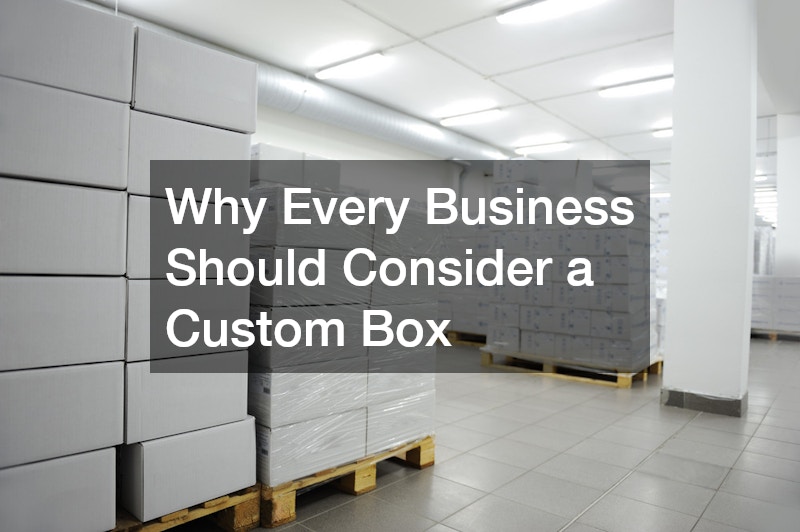
In today’s competitive market, packaging plays a pivotal role in a business’s success. Custom boxes have increasingly become a tool for standing out in a crowded marketplace. They serve not only as containers but also as an extension of a brand’s story and identity. A well-designed custom box can capture consumer attention, generating interest before the product is even revealed. Beyond aesthetics, custom packaging enhances brand strategy by reinforcing recognition, building customer loyalty, and signaling product quality.
As businesses embrace tailored packaging, they gain a unique edge in both marketing and customer experience.
What Are the Benefits of a Custom Box for Businesses?
Enhancing Brand Recognition
Custom boxes help businesses establish a strong visual identity. Each box showcases brand colors, logos, and messaging, reinforcing recognition with repeated exposure. Distinct packaging evokes emotions, creates lasting impressions, and fosters customer loyalty. Personalized designs communicate directly with the audience, showing that the brand values their preferences. Investing in a custom box elevates the product and differentiates it from competitors.
Improving Customer Experience
The unboxing experience has become a critical aspect of the customer journey, and custom boxes enhance it significantly. A thoughtfully designed package transforms opening a product into a memorable event. Positive unboxing experiences can lead to social media shares, reviews, and word-of-mouth marketing. Functional features like easy-open designs or safety seals add convenience and further elevate perceived value. In this way, custom boxes turn customers into brand advocates and drive long-term engagement.
Optimizing Product Protection
Beyond branding, packaging must protect products. Custom boxes provide a precise fit and fortified protection, minimizing damage during transit. Features such as inserts, padding, and reinforced structures safeguard fragile or high-value items. Optimized packaging reduces returns, demonstrates quality commitment, and enhances customer trust. Efficient designs can also reduce material use, lowering costs and environmental impact while maintaining strength.
How Can Custom Boxes Be Cost-Effective?
Utilizing Sustainable Materials
Sustainable materials such as recycled paper or biodegradable plastics allow businesses to reduce their carbon footprint without sacrificing durability. Eco-friendly packaging aligns with consumer values and enhances brand reputation. Beyond environmental impact, sustainable materials can reduce costs over time and be highlighted in marketing, appealing to environmentally conscious customers.
Bulk Production Strategies
Ordering custom boxes in bulk lowers unit costs by leveraging economies of scale. Bulk production ensures consistency in design and quality, maintains brand image, and reduces the need for frequent reordering. This approach also provides flexibility for experimenting with packaging designs while controlling expenses.
Design Efficiency Techniques
Smart design techniques maximize materials and minimize waste. Using dielines, modular layouts, and standard size variations can reduce production costs while maintaining aesthetics. Thoughtful design choices, like optimized ink usage and print patterns, make custom boxes both visually appealing and financially viable.
Steps to Designing a Custom Box
Identifying Brand and Product Needs
Design begins with assessing the brand and product requirements. Factors such as size, weight, fragility, and target audience preferences guide packaging decisions. Aligning the custom box with both brand identity and product characteristics ensures protection and a cohesive presentation. This careful planning stage sets the foundation for a packaging design that is both functional and memorable for customers.
Collaborating with Packaging Designers
Professional designers bring expertise in materials, printing, and structural design. Engaging designers who understand industry trends ensures a functional and visually appealing custom box. Close collaboration allows iterative improvements, resulting in a package that balances creativity, practicality, and brand representation. Working closely with designers also ensures that production considerations, such as cost and material efficiency, are integrated into the final design from the start.
Implementing Prototypes and Testing
Prototyping offers a tangible preview of the design and allows real-world testing. Stress, fit, and impact tests confirm that the packaging performs as intended. Sharing prototypes with customers or focus groups provides valuable feedback to refine the final product, minimizing errors and maximizing satisfaction.
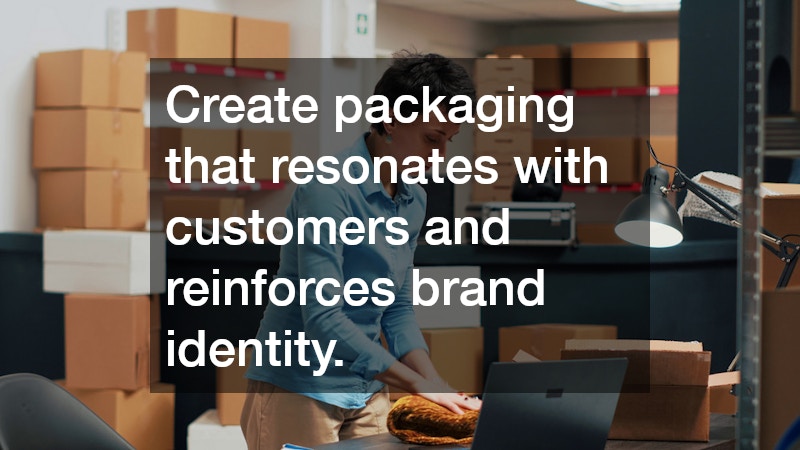
Custom boxes provide businesses with multiple advantages, from strengthening brand recognition and elevating customer experiences to ensuring product protection. Cost-effective strategies, including sustainable materials, bulk production, and design efficiency, make tailored packaging accessible for businesses of all sizes. By following a thoughtful design process with professional guidance and iterative testing, companies can create packaging that resonates with customers and reinforces brand identity. In an increasingly competitive market, adopting a custom box is a strategic move that enhances value, loyalty, and long-term business success.